The Ancestralize Health Approach
We help people become healthier through an ancestral health approach, advanced by the findings of vetted scientific research from the fields of pathology, physiology, nutrition, biochemistry, and evolutionary biology — and, most crucially, by empowering our users to actively contribute to our suggested, personalized lifestyle protocols.
Our Core Principles & Assumptions
Our focus is treating the root causes, not just the symptoms. The pathologies behind most diseases are related to issues far from the appearance of symptoms. That's why our in-house developed health intelligence digs down to the root causes of symptoms, diseases, and pathologies.
The best way to treat disease is not to focus on alleviating its symptoms but on identifying and targeting its root causes. If the underlying causes persist, the disease will worsen over time, and additional diseases may develop, even if some symptoms are mitigated. We must recognize the problems early and address the root causes to reverse them.
For instance, obesity is merely an early manifestation of a poor lifestyle. Over a more extended period, other diseases can follow, such as insulin resistance, fatty liver disease, diabetes, atherosclerosis, cancer, etc.
Another good example is the intestinal permeability and insulin resistance, which can lead to several brain disorders (Alzheimer's, depression, schizophrenia, etc.), autoimmune diseases, like rheumatoid arthritis, Hashimoto's, even acne.
On the other hand, many causes can also result in the same condition. For example, see five different causes of chronic fatigue syndrome here.
The human body is an interconnected network where organs from the gut to the brain and pathways of the immune, endocrine, and metabolic systems constantly communicate with each other.
Sometimes, changing even one variable of the network can spark a chain reaction, shifting the entire network's equilibrium.
Our method combines your symptoms, lab results, lifestyle habits, and other factors to provide holistic, personalized lifestyle recommendations. Symptoms and lab results are not isolated indicators of disease, but rather reflections of deeper, underlying mechanisms that can manifest in multiple ways.
A doctor might treat an autoimmune disease with immune-suppressing drugs, for instance, without addressing the patient's diet, stress, or gut health that underlying the immune imbalance.
For example, chronic inflammation in the body caused by gut issues can manifest as joint pain, high blood pressure, elevated inflammation marker levels in lab results, cardiovascular disease, depression, or any other chronic disease.
Likewise, someone with depression might get an antidepressant, but no discussion about replacing the inflammatory diet with nutrition that heals.
The result is a populace conditioned to seek quick fixes and view chronic issues as isolated ailments rather than symptoms of lifestyle imbalance.
Over the years, we've been "brainwashed" to accept that managing disease is about prescriptions and surgeries, while prevention or reversal through lifestyle sounds too extreme. Challenging this narrative requires unlearning many of the assumptions the media, industry, and even well-meaning professionals have instilled in us.
We utilize lifestyle and diet modifications as the main tools. We believe that most chronic diseases stem from a mismatch between our inherited biology, shaped by evolution, and our modern industrialized lifestyle. Hence we need to minimize the harmful effects of modern lifestyles and provide an environment that helps the human organism heal itself.
The most significant contributor to long-term health improvements is usually lifestyle, especially our diet. Our ancestors didn't need to take supplements or drugs to avoid chronic diseases. Supplements can provide nutrients that are hard to maintain at healthy levels in our modern lives, like magnesium and vitamin D.
However, supplements, especially drugs, are usually overhyped and taken as an alternative to healthier lifestyles, which will never work well enough, and they often have harmful side effects.
Whenever possible, we should obtain our nutrients from the type of foods to which we are adapted. An organic, nose-to-tail, animal-based diet can provide all the nutrients healthy people need; however, supplements and, in some cases, medications may be helpful for certain diseases.
Every human body is a mass-produced masterpiece, built from a shared biological blueprint that is 99.6% identical across the globe. That microscopic 0.1% of genetic variation, combined with environmental influences, creates a totally distinct entity. There is only one existing from your body — your genome, epigenome, and microbiome are completely unique.
Different foods and lifestyles changes are ideal for different people, and we need individualized treatments in the case of disease. Personalization is at the heart of Ancestra Health, our flagship app. By integrating your unique lab results, symptoms, and risk factors, our app's own software intelligence identifies the most likely underlying pathologies with a level of precision a human mind simply cannot match. In the next step, our app's progress tracker makes your health objectives visible and measurable. As you build lasting habits with our app, you will see exactly what is working and what isn't for your body — allowing you to personalize your lifestyle in iterative cycles for as long as necessary.
Most chronic diseases stem from a mismatch between our inherited biology, shaped by evolution, and our modern industrialized lifestyle. Humans followed a hunter-gatherer lifestyle for almost two million years. Our ancestors adapted to environments characterized by whole foods with low carbohydrate content, physical activity, and natural light. In contrast, today's sedentary, high-stress lifestyles, combined with the consumption of ultra-processed carbohydrates and toxic additives, create health imbalances.
As Theodosius Dobzhansky put it, "Nothing in biology makes sense except in the light of evolution". [ * ] Humans, just like all species, are the product of evolution. Our human ancestors followed a hunter-gatherer lifestyle for almost two million years. Farming emerged approximately 12,000 years ago and gradually became widespread. Since then, the development of new foods has been accelerated by new methods in agriculture and the food industry. These changes were beneficial for human expansion, but their long-term impact on the individuals' health was often negative.
Our biology can't keep up with the speed of change. Most of us are Ice Age bodies running on soda and cereal — and it shows. To fix our health issues, we should align our lifestyle to our biology.
Findings from fields such as archaeology and archaeogenetics must inform medical science. How our biology responds to external factors must be explained using key concepts such as mutation, genetic drift, and natural selection. We evaluate our ideas and those from the literature by assessing their alignment with evolutionary logic.
For example, substantial evidence on our ancestors' diets and lifestyles helps us understand why most modern diets and low physical activity contribute to disease. Chronic conditions like obesity, insulin resistance, or cancer are almost nonexistent in traditional hunter-gatherer societies, but are common and strike at increasingly younger ages in industrialized populations.
Biology is highly complex because evolution has always provided ad hoc workarounds for changing environments, rather than well-designed solutions to address future challenges. It is wiser to follow many aspects of the lifestyles our ancestors maintained for about two million years than to risk the diseases of our civilization, even if change requires initial effort.
It is important to note here that evolutionary biology is just one of the foundations of our Ancestra Health app.
Dysbiosis is an imbalance, driven by inappropriate diet and lifestyle, in the types and amounts of microorganisms (such as bacteria, fungi, and viruses) living on barrier surfaces, especially the digestive tract. Dysbiosis triggers a cascade of immune stress.
Harmful pathogens overgrow and release PAMPs (pathogen-associated molecular patterns). Stress and injuries cause the cells to release DAMPs (Damage-associated molecular patterns). PAMPs and DAMPs reach organs via the lymphatic system and the bloodstream. The immune system will interpret the presence of these particles as a constant pathogen attack, triggering immune responses and local and systemic inflammation. The immune attack will increase reactive oxygen species (ROS). The immune attack will cause direct harm to our organs.
Because the immune system's capacity is limited, it reduces our ability to defend against real infections, leading to greater disease. This cascade of events leads to a range of chronic diseases, depending on our personal vulnerabilities. [ * ]
Health advice should be based on high-quality science. Ancestralize collects all relevant scientific knowledge, integrates it into a coherent knowledge base, and uses software-driven probabilistic reasoning to find the diseases and pathologies, most likely given the observed symptoms, laboratory results, and risk factors.
Our researchers have synthesized tens of thousands of studies to build a unique interdisciplinary scientific knowledge base — bridging pathology, physiology, nutrition, biochemistry, and evolutionary biology. We integrate multiple types of data and artifacts, from human and animal studies to seek biologically meaningful patterns, not merely statistically significant ones. Because medical research can be messy — short studies, hard-to-control lifestyles, biased funding, and overreliance on weak observational data — we treat "evidence" carefully.
To distill research into everyday practice, our app leverages probabilistic logic that links hundreds of health factors to extract actionable insights. Our software provides immediate advice at a fraction of the usual healthcare prices.
Nobody is able to follow science in all areas. We are too quick to make assumptions based on our belief systems and individual experiences. Teaching materials and scientific literature are full of unfounded assumptions that are the basis of harmful health advice and interventions.
The scientific literature is full of conclusions based on hypotheses that have turned out to be false. Observational studies are not appropriate for identifying causality. Still, too often, they are used widely for that. Relying on this bad science, health policy-makers have created food guidelines that continue to make the world sicker. Not just healthcare, but dietetics, education, industries, politics, news, media, even the policies of social networks are built on these flawed assumptions. These beliefs have become so ingrained that it is hard to believe for most people that what they have learned to be healthy is often very unhealthy. Improvements are extremely difficult and slow because of the status quo cemented by the big players interested in keeping it.
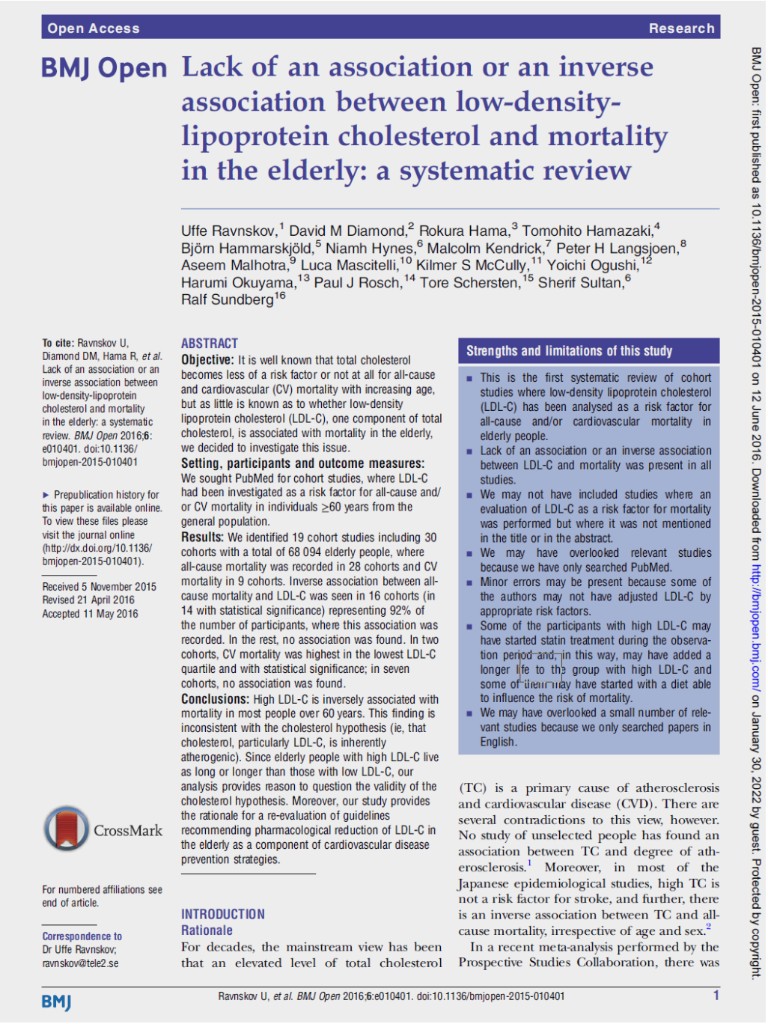
This paper is not known to most health practitioners. Statins, prescribed too often for high LDL, have no beneficial effects, just side-effects.
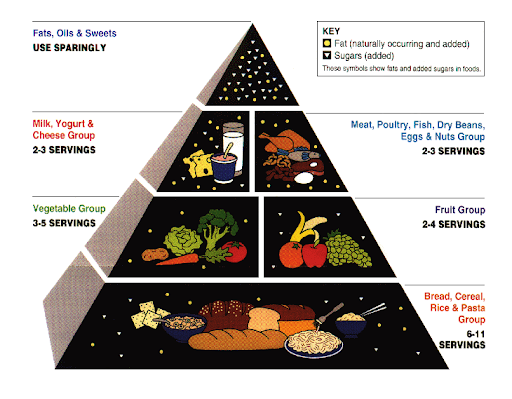
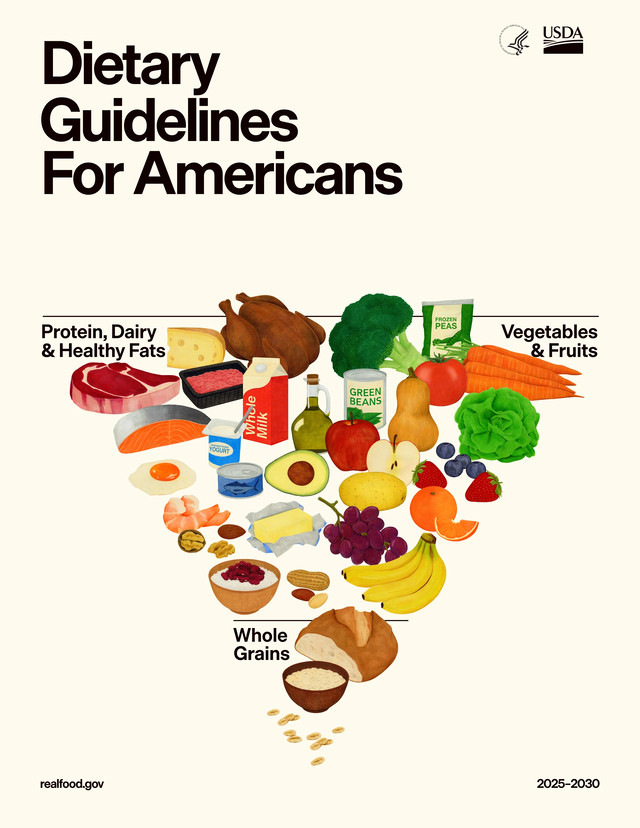
For example, the latest 2025–2030 Dietary Guidelines for Americans have introduced a major shift in US federal nutrition policy, effectively "flipping" the old model on its head. This change marks a significant departure from previous years by doubling the recommended protein intake—now 1.2 to 1.6 grams per kilogram of body weight—and ending the long-standing "war on saturated fats" by officially supporting the consumption of whole milk, butter, and beef tallow. While fruits, vegetables, and whole grains remain essential, the foundation has shifted toward satiety and metabolic health, with a firm, zero-tolerance stance on added sugars and ultra-processed foods. The legacy of the old food pyramid continues to negatively impact the health of many. [ * ] [ * ]
Compounding these issues, surveys show that U.S. medical schools still provide an average of only 19 to 24 hours of nutrition education over four years, only 30% of medical schools required a separate nutrition course. Only 14% of resident physicians feel comfortable and "prepared" to provide dietary counseling to patients, despite the fact that 92% agree it is a critical part of care. [ * ] [ * ]